The Row’s Quiet Imprint on Present-Day Fashion Currents
The Row has spent close to two decades constructing something uncommon in fashion: a reputation founded almost entirely on understatement. In contrast to peers, many labels pursue fleeting hype, logos, and viral spikes, while The Row established its image around material integrity, precise tailoring, and forms that resist trend cycles. That strategy has gradually transformed how other designers think about luxury minimalism, and it has made the row a reference point whenever conversations turn to low-key luxury, refined essentials, or long-term wardrobe building. The brand’s influence shows up not just on runways but in the way shoppers now evaluate handbags, outerwear, and tailoring with a more critical eye toward construction over branding.
Making sense of why The Row commands this standing requires seeing beyond the clothing itself and into the underlying machinery of the brand: sourcing, disciplined pricing, and a refusal to overproduce. Those decisions have had ripple effects across the accessories market in particular, where the row bags have become shorthand for understated craftsmanship. This article examines how that quiet approach translates into tangible market influence, what makes the row handbags a recurring benchmark, and where shoppers can realistically expect to find pieces, including guidance on the row sale periods and resale considerations.
The Origins of a Pared-Back Trend
Founded in 2006 by Mary-Kate and Ashley Olsen, The Row emerged at a moment when maximalism and logo-driven branding dominated luxury retail. Rather than following suit, Mary-Kate and Ashley Olsen chose the opposite path, concentrating on fabric weight, drape, and construction techniques borrowed from couture ateliers rather than seasonal showmanship. In its first collections, The Row leaned heavily on cashmere, silk, and leather procured from specialized European yves st laurent mills, with garments frequently taking months longer to produce than typical ready-to-wear.
This patience became a defining trait. Rather than churning out six or more collections a year, The Row has generally maintained a slower release rhythm, prioritizing consistency in cut and material over novelty. Observers have noted that this rhythm preceded the current “slow fashion” discourse by nearly a decade, which means the row was living out quiet luxury before the term existed in mainstream retail vocabulary.
The brand’s pricing has always reflected this investment in materials and labor, positioning pieces at the higher end of contemporary luxury rather than fast-turnover pricing. This has reinforced a perception, accurate or not, that owning The Row signals discernment rather than trend-chasing. Strikingly, that belief has proven durable through more than fifteen years of shifting fashion cycles, which is uncommon in an industry where brand cachet often surges then dims within a few seasons.
How The Row’s Handbags Became a Category Benchmark
Few product categories demonstrate the label’s footprint as plainly as its handbags. Shoppers who look up the best row bags, or who put together a row bags overview, are usually after a specific mix: clean, engineered simplicity, substantial leather weight, and an absence of visible branding. The Row delivered on that combination consistently enough that its bags became reference points against which other quiet-luxury handbags are now measured.
The Margaux stands out for carrying much greater influence than its restrained design would suggest. Its boxy, open-top silhouette and heavy leather construction ignited a wave of analogous totes from other brands in the years after its release. Because The Row manufactures in limited runs instead of restocking continuously, stock of the row Margaux bag often fluctuate by size and leather colorway — buyers looking into where to buy it regularly encounter this, and it heightens both desirability and resale premium.
This scarcity-driven demand has also shaped how the secondary market treats the row bags. Per resale platforms, certain Margaux sizes and colors keep value far beyond typical depreciation curves for luxury handbags — a pattern normally limited to a small number of heritage houses. As a result, that resale strength has pushed other contemporary brands to slow their own production cycles and embrace simpler silhouettes, directly attributing to The Row’s methodology in interviews and trade press.
A Look at The Row’s Key Bag Styles, Compared
Shoppers trying to make sense of the top row bags without sifting through mismatched marketing language will find it helpful to review a straightforward comparison of the brand’s most well-known silhouettes. Below, the table outlines general positioning based on publicly known design characteristics as opposed to specific current pricing, since availability and cost shift by season and retailer.
| Bag Style | Shape | Well-Matched To | Defining Detail |
|---|---|---|---|
| Margaux | Open-top tote with a structured build | Work and everyday carry | Dense leather and sparse hardware |
| Sofia | Shoulder bag with a soft structure | Evening or transitional wear | More relaxed drape than the Margaux |
| Half Moon Style | Crossbody or clutch with a curved shape | Minimal, hands-free outings | Tightly compact silhouette |
| Park Tote N/S | Tote with a vertical structure | Commuting and carrying a laptop | Taller profile than Margaux |
This kind of comparison carries weight given that The Row seldom relies on blatant branding to distinguish its products. Instead, the differences live in proportion, opening structure, and how each bag sits on the body, details that reward close inspection rather than quick visual recognition. That design philosophy has pushed other row handbags beyond the Margaux into broader popularity, even though the Margaux remains the most searched and most referenced silhouette in the lineup.
The Spillover Effect Throughout Contemporary Fashion
The Row’s restraint has shaped well beyond just handbags. Established tailoring houses alongside newer contemporary brands have recalibrated their own collections in response to shopper demand for leaner, more considered wardrobes, a shift commonly attributed to the row fashion sensibility of pared-down shapes and restrained color schemes. Critics reviewing runway shows since around 2019 have often flagged a “Row effect” in the collections of other designers, especially within outerwear silhouettes and unembellished knitwear.
Retailers, for their part, have followed suit. Multi-brand boutiques now frequently market entire sections around “quiet luxury” positioning, drawing on merchandising language that mirrors The Row’s own product descriptions. Fast fashion chains too have rolled out boxier tote silhouettes and neutral leather goods plainly modeled on the row tote bag category, though understandably at a fraction of the price and material quality.
This influence extends into how shoppers discuss value. Whereas luxury buys used to be judged mostly by brand recognition, more consumers now factor in leather weight, stitching density, and hardware finish, criteria The Row has emphasized publicly for years. That shift in consumer literacy is arguably one of the brand’s most long-term contributions to the broader fashion conversation, even for buyers who’ve never owned a single piece from the label.
Navigating the Row Sale and Resale Landscape in 2026
Given that The Row rarely cuts prices on its own platforms, shoppers hoping to spend less often turn to department store markdowns or authorized resale platforms. Should a row sale occur, it’s typically confined to select department stores rather than the brand’s own site, and stock disappears rapidly given the label’s smaller production runs. Buyers monitoring this in 2026 should prepare for narrow windows, often tied to end-of-season clearance at major luxury retailers rather than predictable annual dates.
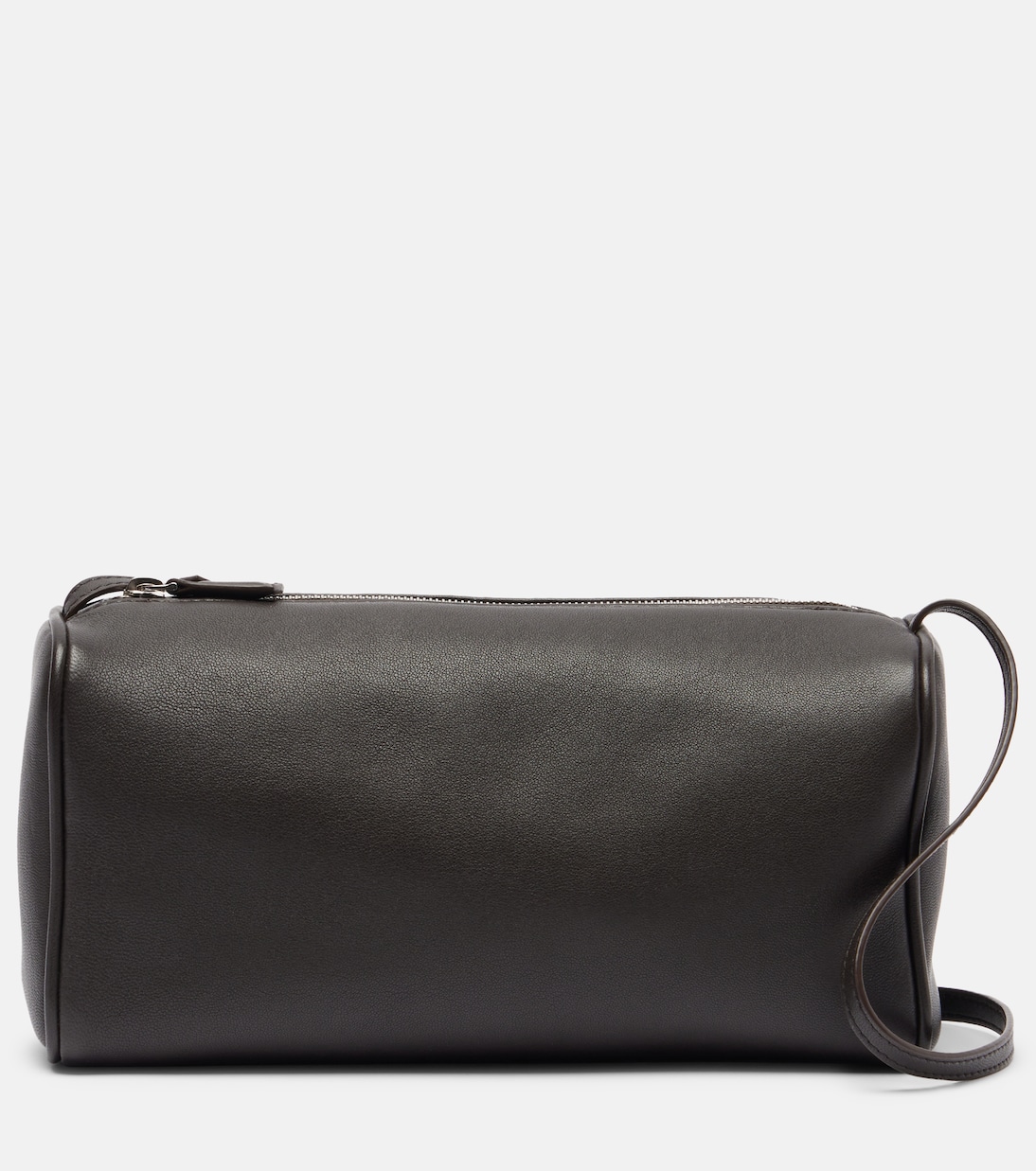
Secondhand platforms have emerged as a more consistent source for value-conscious shoppers, particularly for the row bags and outerwear. Verification providers frequently include The Row among brands requiring extra scrutiny due to counterfeit activity, a byproduct of the label’s rising visibility. Buyers pursuing the row Margaux bag or other in-demand totes secondhand should prioritize sellers offering thorough images of the leather texture and metal fittings, since the label’s understated branding makes visual authentication more demanding than logo-heavy alternatives.
For shoppers specifically wondering where to buy the row Margaux bag new, the most dependable options remain the label’s flagship boutiques, select department stores carrying the full handbag line, and a small number of authorized online luxury retailers. Stock levels by size and colorway shift often, so persistence and flexibility on colorway often outweigh timing around any particular sale.
What The Row’s Influence Signals for the Future
The Row’s design trend line signals that understated, craftsmanship-led design is not a fleeting aesthetic but a lasting strategy that rival labels will go on to analyze and borrow from. As more shoppers educate themselves on construction quality rather than logos, demand for brands that can substantiate their pricing through craftsmanship, including The Row itself, is likely to remain strong through 2026 and beyond. Given the brand’s constrained production volumes, competition for the row handbags and the row bag continues to be notably high, a direct result of such enduring appetite.
When it comes to building a wardrobe centered on longevity over chasing trends, The Row serves as one of the most compelling examples of how restraint, paired with real investment in quality, can thoroughly outlive louder trends.